Love Thy Neighbor

In the last two months I have heard more mentions of the Alfred Hitchcock classic Rear Window than I can ever recall. It first popped up in a book I was reading about film called Talking Pictures by Ann Hornaday. Hornaday used the film as an example in numerous chapters, especially cinematography and set design. Rear Window was also a clear inspiration for the Academy Award winning short film titled The Neighbors’ Window. With the modern take still in my mind, and Horanday’s glowing praise still top of mind, I figured I should sit down and watch Rear Window for the first time.

Simply, Rear Window is fantastic. Its simple premise meanders down hallways whose doors occasionally reveal a clue, other times a Technicolor red herring. For a film with a claustrophobic focus — one city courtyard through one man’s window, often through a camera lens or binoculars — to feel so wide open is impressive. Nearly seventy years later, Rear Window is timeless and appropriate for our time. (One question did linger as I watched: why didn’t Jefferies, a photographer, take any photos of the unfolding cover-up?)

There is one key difference between Rear Window and The Neighbors’ Window that alters how you absorb the story. In Rear Window, you can hear the neighbors — their voices, their music, their pets — which makes them feel more intimate and connected to you as the viewer. In The Neighbors’ Window, you only see the neighbors across the way, we never hear them. Without that aural connection, the viewer feels more voyeur than neighbor. As I watched Rear Window, I thought that that difference between the two films cleverly spoke to a generational difference in how we now interact with our neighbors. I live in a condo development that features a few common areas but I very rarely use them to interact with neighbors. Instead, my wife and I are content to entertain ourselves inside and only share passing pleasantries with our neighbors. Ironically, much of that time we spend inside keeping to ourselves is spent on screens streaming content that acts as a window to some other neighborhood. I know my parents and grandparents became great friends with those living next door or across the street. So, what impact would it have on our lives if we forged more meaningful relationships with our neighbors?

Somewhere between Rear Window and The Neighbors’ Window we lost the desire and interest in being good neighbors. Both films end with scenes of neighbors making an unexpected connection which encourages me that if we all just “love thy neighbor” we can make our own neighborhoods a better place to live.

The Rabbit Hole

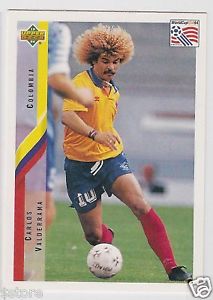
When I was young, like many of you, I received a children’s encyclopedia as a gift. I can’t recall what my initial reaction was — I probably would have preferred a game for my Sega Genesis — but I grew to love that book. I can still feel the weight of it, and remember how unwieldy it was to read in bed. At some point I made the connection that the countries within its pages were the same as those in my beloved FIFA 96 video game. At the time I couldn’t tell you the first thing about which international soccer teams were competitive. I could name a few players like Cobi Jones and Carlos Valderama — mostly thanks to my World Cup ’94 Upper Deck trading cards — but that was the extent of my useful soccer knowledge.

In the hefty tome, each country had a handy at-a-glance detail box that was offset from the country’s main narrative. Before I knew what CONCACAF or UEFA were, I realized that I could use the details in these boxes to help me create my own soccer tournament brackets. I would try to keep the draw balanced, based on population and nations that I thought would be better at soccer. Playing out the games was besides the point. In fact, I don’t have any memories of ever actually playing the games in FIFA. Instead, I can picture the cream-colored legal pad in my mind’s eye. I can feel the texture of the paper under my pen. I could, and did, keep myself occupied for hours.

This quirk of mine wasn’t limited to just soccer. I would have my mother print NHL rosters at work and bring them home for me. I would then re-write the rosters in my own format, alphabetized by position. Next, I would start a new page and create lines for the team. As the NHL video game series would introduce chemistry and player styles, I tried to approximate that in my lines. I’d mull over which forward would make the best point defender on the power play. Extra attackers? Picking those at the end were the bittersweet cherry atop the sundae.

When my love shifted from soccer and hockey to football, I found myself once again with a pen in my grasp and a pad underhand. Like most college football fans my age, I pined for a year-end playoff system. So, of course I made my own sixteen team bracket. I would always play the matchups in December and January, so I can envision Christmas lights around me as I played. Sometimes if I didn’t love the outcome of the final, I might turn it into a best of three series. Whatever it took to extend the excitement for another hour.

More recently, I have rediscovered my love of soccer. Today in America we are spoiled because we can watch so many different leagues and competitions from around the world. Oftentimes, I find myself most interested in unique or uncommon matches. When I watch these contests, I inevitably fall down the “rabbit hole” as I call it. Something will pique my curiosity and I’ll grab my laptop or my phone to do some research. Why do the Xhaka brothers play for different countries? How did Portsmouth fall from the EPL to League Two in just a few years? How do foreign countries structure their pyramid and why doesn’t MLS follow the European model? What’s the math behind UEFA’s coefficient system which determines the makeup of the Champions League? And so on. Sometimes I feel guilty that I’m not paying more attention to the action on the pitch because once I get started on my research, the game itself becomes secondary. In a similar manner to my handwritten tournament brackets or hockey lines, learning more about what happens before the players take the field is actually what I’m interested in.

While reminiscing about these memories and their shared thread with my wife, it hit me. I didn’t choose a career in sports administration at a pre-freshman year career fair like I had always thought. I’ve been doing sports administration, for fun, since I was eight years old. Every once and awhile I’ll get the itch to share my “rabbit hole” ideas with the world. Future blog posts in this space will give me that outlet and I hope they might help you find a way to put words to your passion as well.